
How to Brief a Writer for AI-Citable Comparison Pages
Brief a writer for AI-citable comparison pages with one primary query, symmetric criteria, sourced facts, an answer-first opening, and acceptance checks for crawlable HTML assistants can quote.
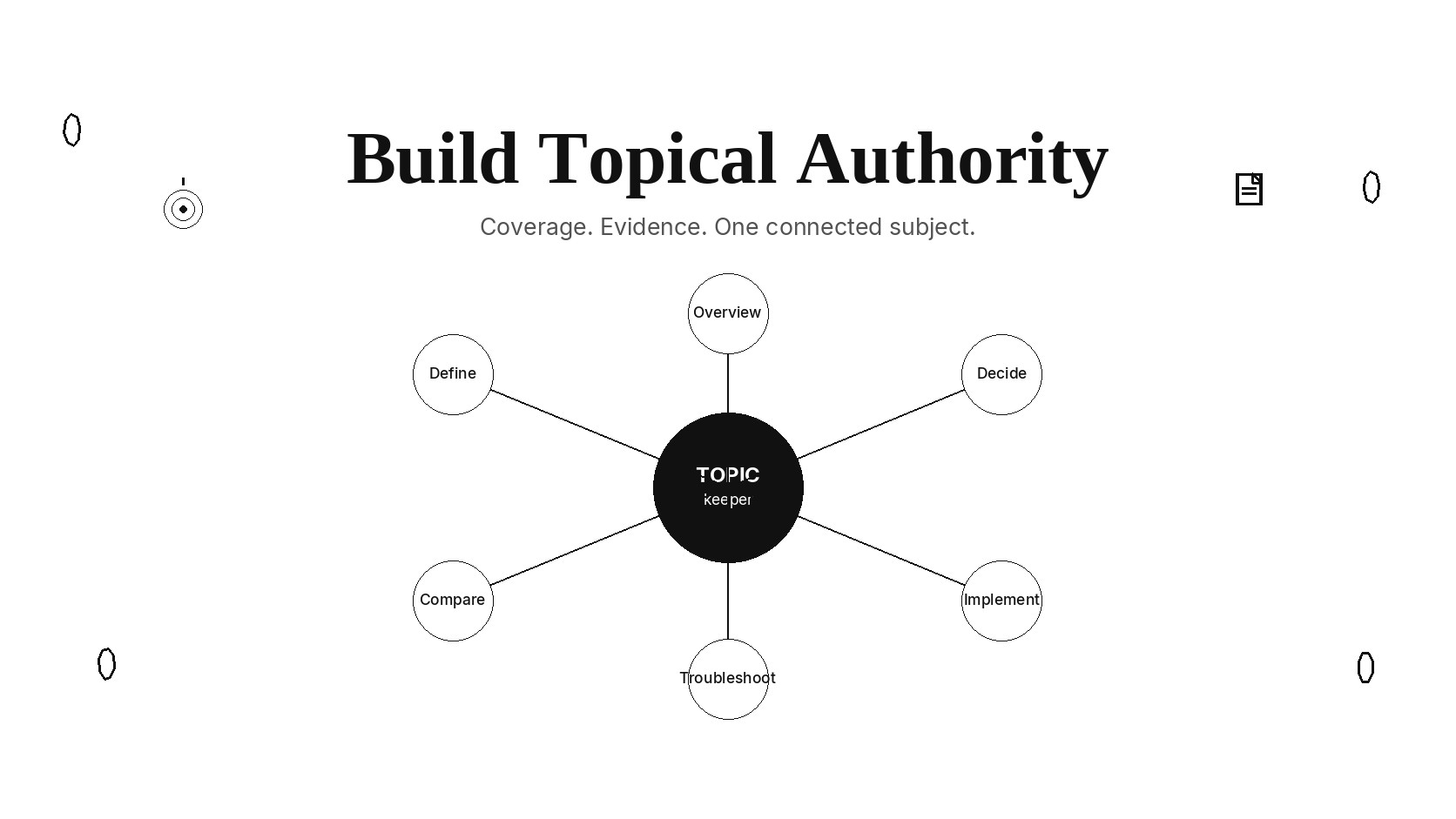
How to brief a writer for AI-citable comparison pages: give one primary query and intent, list three to seven symmetric criteria every vendor is judged on, attach only facts you verified with URLs, require an answer-first paragraph that states who should pick whom, and add acceptance checks for crawlable tables, named sources, and no unsourced prices.
When the fix belongs on a live site, read our AI SEO for SaaS teams guide for the comparison and alternative page types that vertical needs.
Comparison pages fail citations when they read like sales decks: asymmetric bullets, anonymous "industry leaders," and pricing copied from a blog post three years ago. Assistants quote blocks that look fair and specific. Google's helpful content guidance asks for original, people-first work; the same bar keeps an answer block liftable in ChatGPT, Perplexity, and Google AI Overviews.
What AI-citable means for comparisons
AI-citable does not mean keyword stuffing. It means:
- The opening paragraph answers the comparison without requiring the rest of the scroll.
- Criteria apply equally to every named product.
- Measurable claims cite a source your legal team would accept.
- Verdict language is conditional ("choose X when…") instead of absolute superlatives.
The article outline guide covers general structure. This brief adds comparison-specific rules for assistants. For measurement after publish, use share-of-voice scoring on ChatGPT and Perplexity.
1. Query, intent, and page type
Start every brief with four lines:
- Primary query: exact wording from Search Console or sales calls.
- Intent: evaluation, implementation, or pricing research.
- Page type: comparison table, alternatives list, or hybrid (state which).
- Out of scope: queries this URL must not try to win.
If the SERP mixes "best tools" listicles with head-to-head pages, pick the format page one uses. Do not blend them without a reason, or you recreate keyword cannibalization on your own site.
2. Symmetric criteria table
List three to seven rows every vendor must answer. Good rows are observable: deployment model, who approves publish, integrations, support channel, billing shape. Bad rows are vibes: "innovative," "enterprise-grade" without a test.
Require a table in HTML, not a screenshot. Each cell should use the same grammar: verb-first phrases or yes/no with a short qualifier. Orchory comparison pages such as the Semrush alternative page show conditional verdicts instead of a single "winner" column.
3. Sourced facts only
Attach a fact pack the writer must not exceed:
- Your product capabilities the team will stand behind on a sales call.
- Competitor claims copied from their official pages, each with URL and date viewed.
- Explicit bans: no invented market share, no uncited pricing, no "fastest" without a benchmark method.
When a competitor price is unknown, the brief should say "writer directs reader to vendor site" rather than guessing. That rule keeps the page safe when an assistant quotes the pricing row.
4. Answer-first outline
Require sections in this order:
- Liftable lead: who should pick option A, who should pick option B, in two to four sentences.
- Criteria table with the symmetric rows.
- Deep dives per criterion, each with at least one sourced fact.
- When neither fits (optional third path or "neither if…").
- Next step on your site that matches intent (demo, docs, or free tool).
Each H2 should mirror a buyer question ("Which tool fits teams without a CMS?") so Perplexity can footnote one block. The featured snippet guide shares the same block discipline for classic search.
5. Acceptance checks
Reject the draft unless all pass:
- Primary query appears in title, meta description, H1, and first sentence.
- Opening paragraph stands alone without adjectives that require the table to interpret.
- Every numeric claim has a linked source or is removed.
- Table renders as HTML; no critical verdict exists only inside an image.
- Internal links point to one keeper URL per related intent, not five similar posts.
Validate head tags with the meta tag checker and run the website SEO checker on the staging URL before launch.
When you want the research-to-page loop handled for you, Orchory ranks comparison opportunities and ships cite-ready pages in your design after you approve them. Read the AI SEO agent workflow, try the free preview on your domain, or run the free AI brand visibility checker on priority prompts. Send your site for a first page on a call. Ongoing production is $990/mo; cancel anytime.
